3 Golden Rules of Negotiation - aka Efficient Diplomacy
- Dec 4, 2014
- 3 min read
The art of negotiating escapes most of us, even good salespeople and politicians, because few take the time to correctly understand the word and follow the golden rules of negotiating. The first and biggest error is a misunderstanding of the word. "Negotiate" comes from the Latin negotiatus, which is the past participle of negotiari, and means to carry on business. This original meaning is critical to understand because the goal of negotiating is to continue doing business by conferring with another to arrive at an agreement. Here are the 3 Golden Rules of Negotiation, though there are many more:
1. Always Start the Negotiations
You must initiate the process because whoever controls the start of the negotiations tends to control where they end. If you let the other party start negotiations, you will be constantly giving up control, often without even realizing it. For instance, when you ask someone what his objectives are, you are allowing him to start the negotiations. You will then spend your time diluting his objective rather than finding the best solution. When I sit down to work out an agreement on the objectives involved in the decision, I will even interrupt to prevent the other side from controlling the starting point. Sounds bizarre, but that is how important starting the transaction is. I once had a counterpart who wanted to offer his terms upfront. I politely said, "Excuse me, I appreciate your willingness to tell me what you can do and would like just a moment to share with you what I have put together for you. If it doesn't work, then please tell me." This allowed me to control the starting point.
2. Always Negotiate in Writing
I see so many professional salespeople make the mistake of discussing and working on the terms of an agreement without ever committing their ideas to a written agreement. But the purpose of negotiations is to arrive at a formal written agreement, not tell a story or spend time talking. From the first moment I make a proposal, I refer to a document that is being created in front of the counterpart. It includes all the points of agreement and becomes real to the prospective partner. Negotiating first and then having to create a document adds unnecessary time to a transaction. But if you build your written agreement as you negotiate, you are prepared to ask for a signature the moment the decision to close is made.
3. Always Stay Cool
The negotiation table can be loaded with agendas, egos and emotions. Great negotiators know how to stay cool, providing leadership and solutions, while the rest of the room becomes insanely invested in personal agendas and useless emotions. Crying, getting angry, name calling and blowing off steam may make you feel good, but such behavior will not benefit you while negotiating. When the rest of the room gets emotional, stay cool like Spock and use logic to negotiate and close.
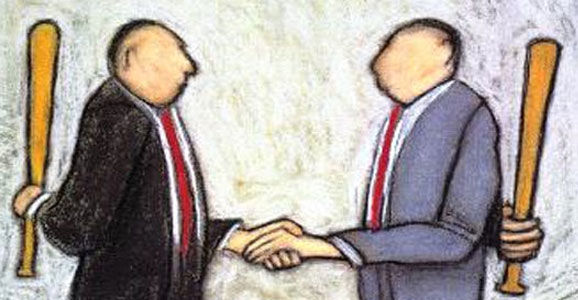
Important Note: The purpose of this article is to provide basic guidance to our Prime Minister, our Minister of Foreign Affairs and the President of the Greek Republic during their upcoming meetings with Mr. Davoutoglou, who obviously masters the art of negotiations. Why else would he employ the entire Turkish Fleet across the Aegean and deploy all military capacities in the Northern part of the country just to have a friendly, objective-free discussion in Athens?


Comments